HIU Essay · Media · New
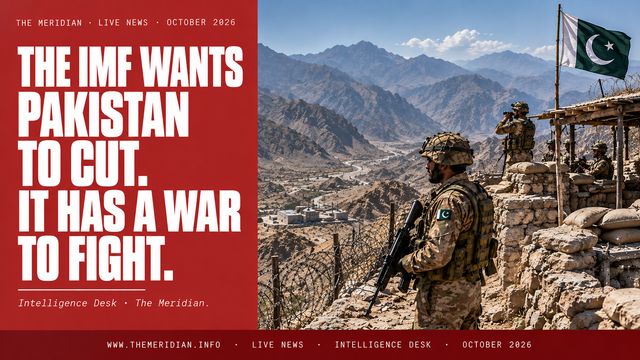
Pakistan: 50% of the federal budget on debt service. An active IMF programme demanding fiscal consolidation. A land war on the Afghan border consuming defence allocations faster than parliament can approve them. The Fund wants cuts. The war wants money. Something has to give. It will not be the IMF.

Three WFP trucks burned south of El Fasher on 4 October. 18 tonnes of food destroyed. 23,000 people in Zamzam famine camp were waiting for it. The WFP called it deliberate. OCHA has documented 87 attacks on humanitarian assets in Sudan since April 2023. No investigation has been opened. No government acted on the word the WFP used.
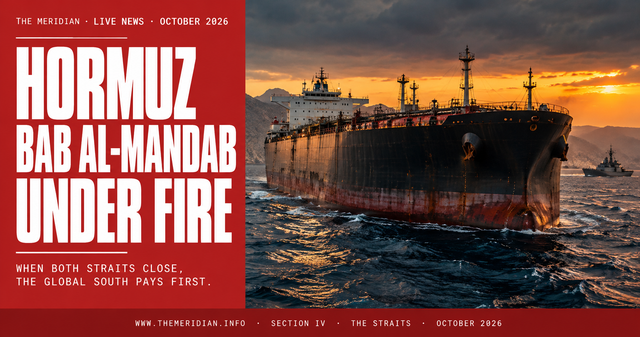
Hormuz and Bab el-Mandab handle 35% of global seaborne crude. Both are under simultaneous pressure for the first time. 95% of container ships are already rerouting via the Cape of Good Hope. Each rerouted VLCC adds $1.5 million in voyage cost. Pakistan, Sri Lanka and Mauritius have no alternative. They pay more, or they go without.
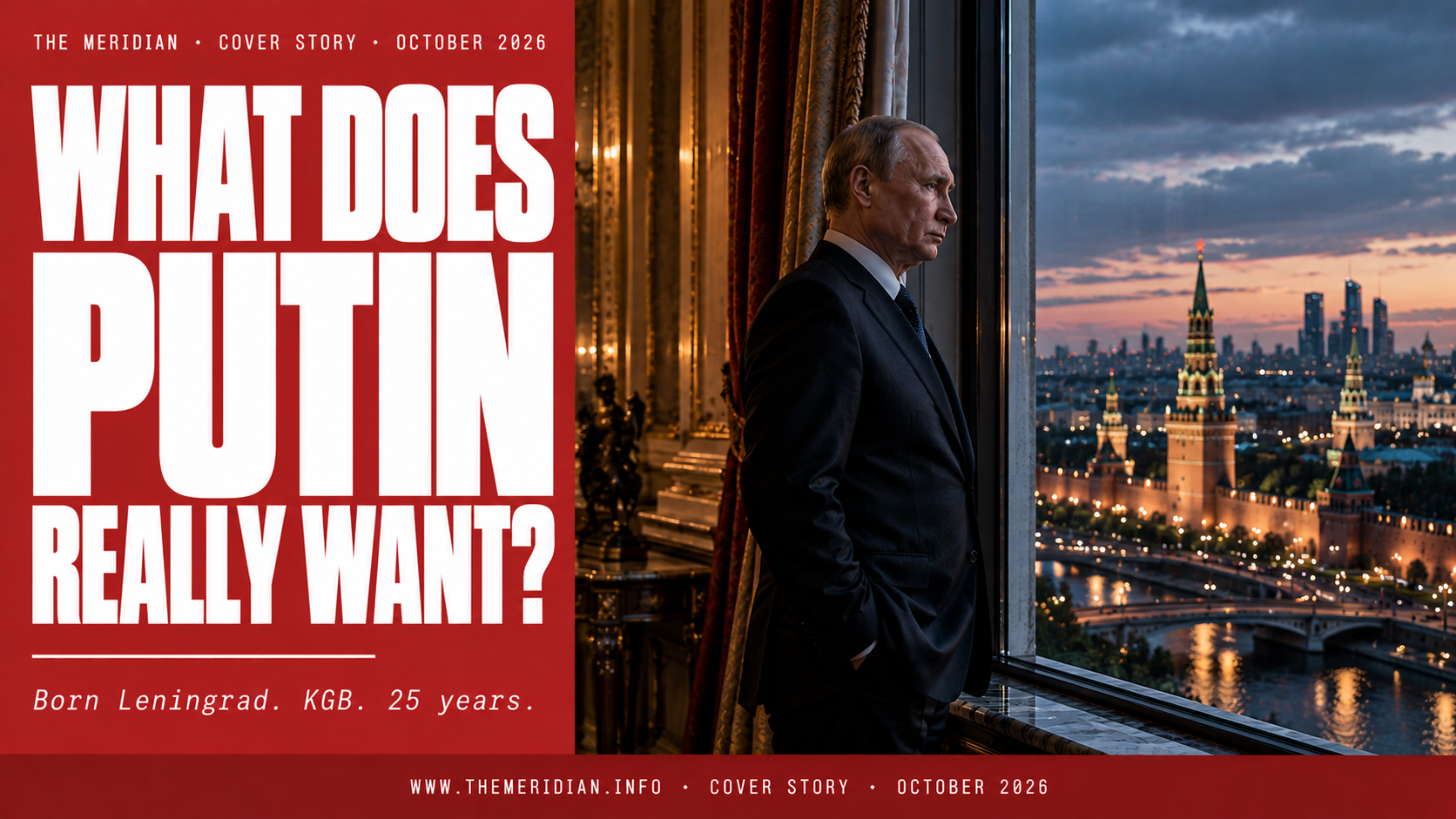
Born Leningrad 1952. His brother died in the Siege. KGB career. Watched the Soviet collapse from Dresden. GDP growth 3.6% in 2026. Unemployment below 3%. Life expectancy 67 years. Democracy Index 144th. 700,000 emigrated in 2022. Elected 87.28% in March 2024. He would like you to know he is very comfortable.
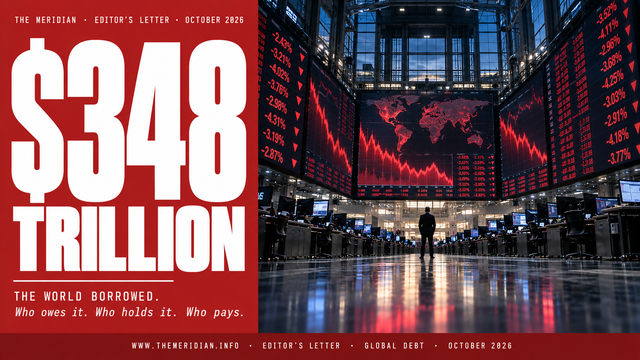
$348 trillion. Five decades of unconstrained borrowing built the modern world. The bill is arriving. Not for those who borrowed without consequence, but for those who had no say in the terms. Vayu Putra opens the October 2026 edition.
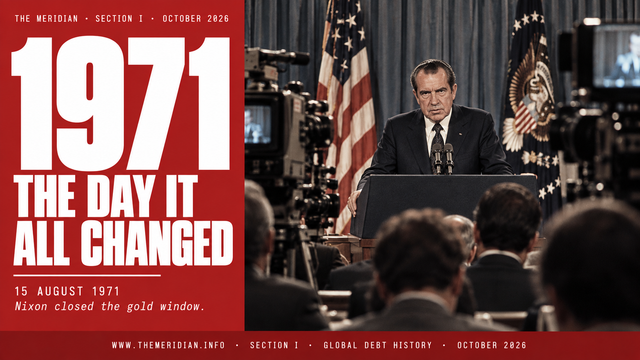
15 August 1971. Nixon closed the gold window. The dollar's anchor to a fixed commodity was severed. The constraint on government borrowing became political, not monetary. In the 55 years since, global debt has risen from roughly $20 trillion to $348 trillion. One decision. Five decades of consequence.

Hospitals. Universities. Welfare states. Interstate highways. The internet. Much of what is called civilisation was built on borrowed money. The question is not whether debt is bad. The question is who repays it, and whether that has ever been the same people who decided to borrow.
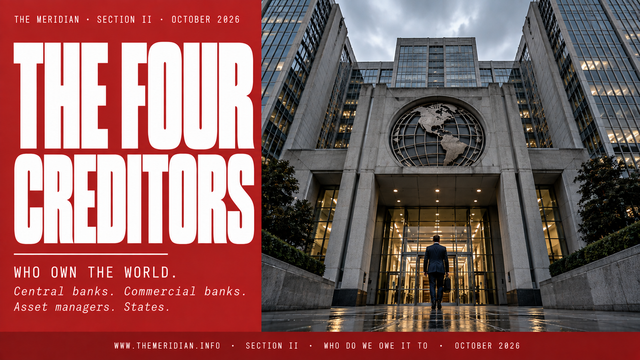
Central banks. Commercial banks. Asset managers. Bilateral state creditors. Four categories. Four different interests. Four different leverage mechanisms. Who holds what, what each wants, and what happens when a country cannot pay.
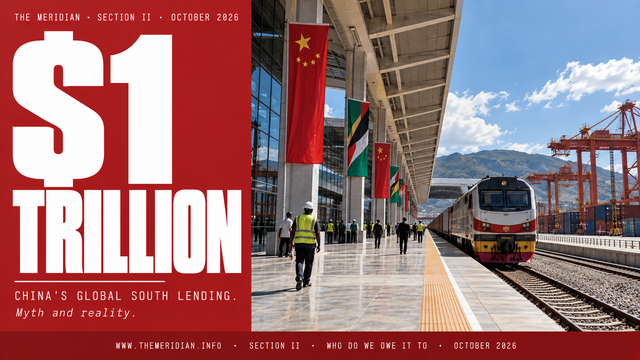
China holds approximately $1 trillion in sovereign lending across the Global South. The debt trap narrative is the Western account. The evidence is more complicated. What Beijing actually holds, what it has restructured, and what the leverage actually looks like in 2026.
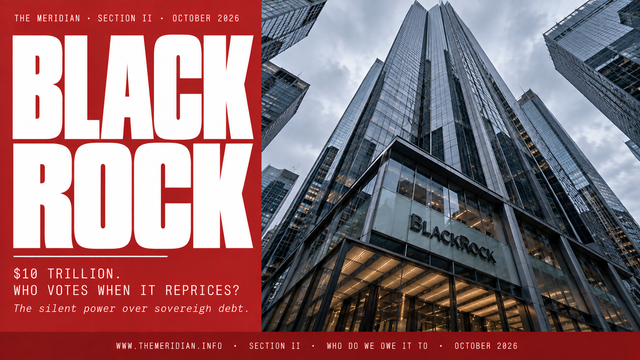
BlackRock manages over $10 trillion in assets. A significant share is sovereign debt. It does not campaign. It does not legislate. It reprices. The September 2022 UK gilt crisis showed exactly what happens when the bond market and a democratic mandate conflict.
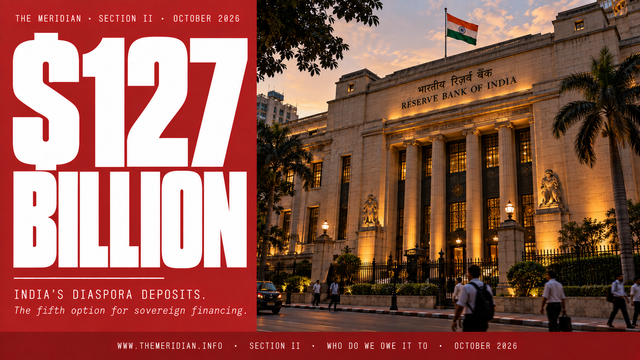
RBI FCNR(B) deposits: $127.226 billion as at September 2026. In 2013, India raised $34 billion from its diaspora in 60 days without approaching the IMF. The fifth option for sovereign financing that most countries have never built. Here is why India could and why others cannot easily copy it.
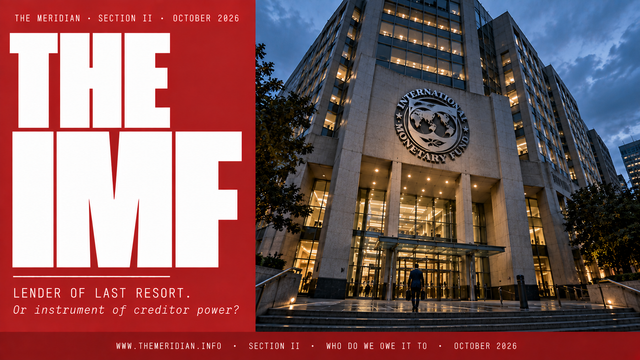
Ghana must devalue the cedi. Sri Lanka must devalue the rupee. Pakistan must devalue the rupee. The UK never devalued the pound. The US never devalued the dollar. The IMF applies currency discipline exclusively to countries that did not design the system. Here is the architecture, the record, and the surcharge that penalises the most distressed.
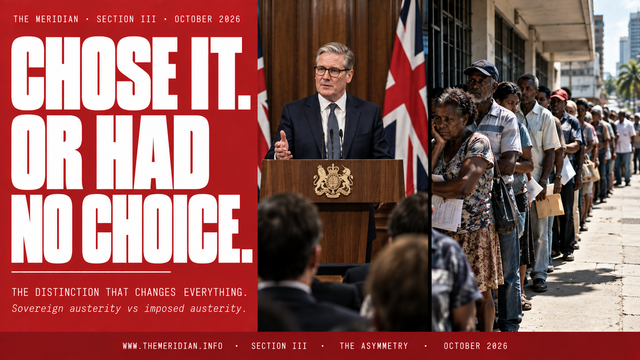
The UK had austerity after 2010. America had spending cuts. But nobody required them as a condition of survival. Pakistan spends 50% of its budget on debt service before a rupee reaches a school. The distinction between sovereign austerity and imposed austerity is the asymmetry this edition is built around.
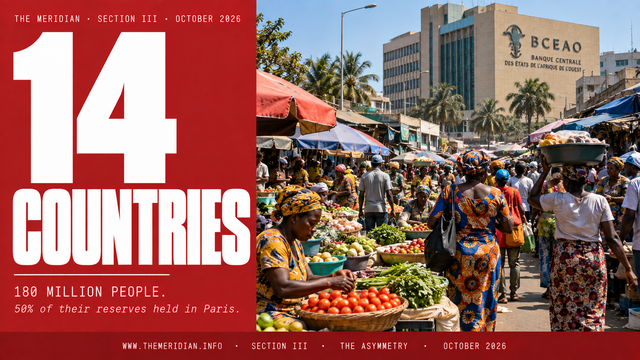
14 countries. 180 million people. 50% of their foreign exchange reserves held in the French Treasury. The CFA franc was created in 1945. The Eco currency was announced in 2019. It has not launched. The arrangement continues. Here is exactly how it works and what it costs.
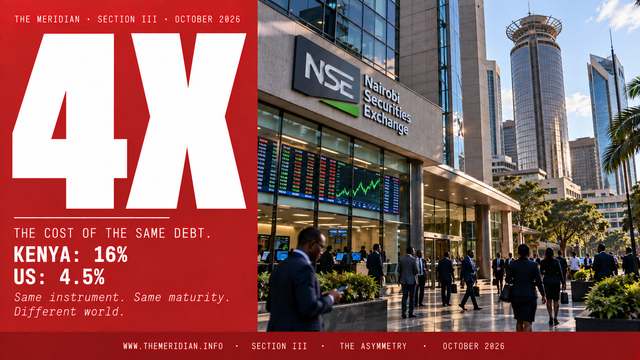
Kenya issues at 16%. The US issues at 4.5%. Same instrument. Same maturity. $2.3 billion extra in interest on every $1 billion borrowed. The gap is not risk. It is original sin, the reserve currency effect, and a credit rating methodology that penalises countries for not being rich.
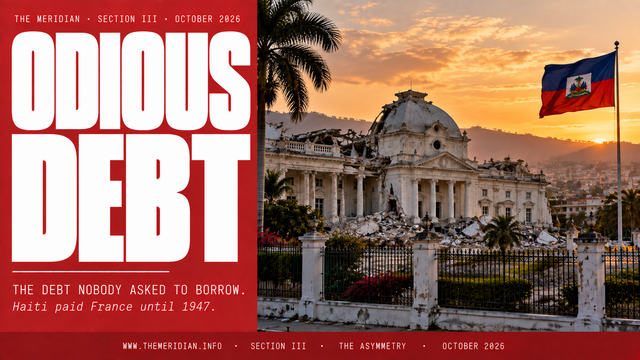
Haiti paid France until 1947 for the cost of its own freedom. 122 years. The doctrine of odious debt has existed in international law since 1927. No court has ever applied it. Here is the Haiti case in full, the apartheid South Africa case, Iraq 2003, and why the doctrine that exists in law has never been used.
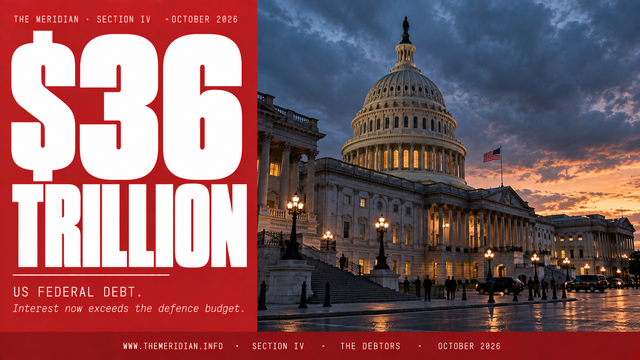
$36 trillion in federal debt. Interest payments in FY2026 exceeded the entire defence budget for the first time. The privilege is real but not unlimited. Moody's downgraded. The market barely moved. Here are the three scenarios for how the privilege unwinds.
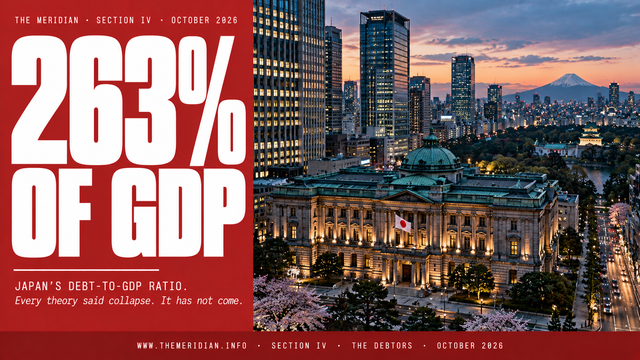
263% debt-to-GDP. No default. No crisis. Japan was the first country in history to implement quantitative easing, in March 2001, seven years before the Fed copied it. Every theory predicted collapse. The laboratory has results. Here is what they actually prove -- and why they do not travel.
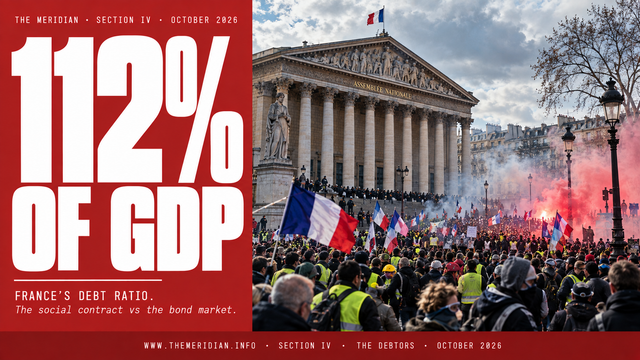
112% of GDP. Deficit 5.1%. Under EU Excessive Deficit Procedure. OAT-Bund spread at 70-80 basis points and widening. The pension reform passed without a parliamentary vote and produced months of strikes. The bond market and the social contract are on a collision course. One of them will eventually move.
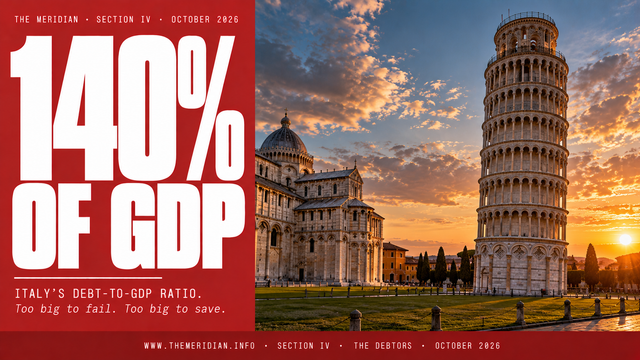
140% of GDP. 0.2% average annual growth for two decades. A banking system holding 400-500 billion euros in Italian government bonds. Cannot devalue. Cannot default without a European banking crisis. Cannot grow fast enough to reduce the ratio. Too big to fail. Too big to save.
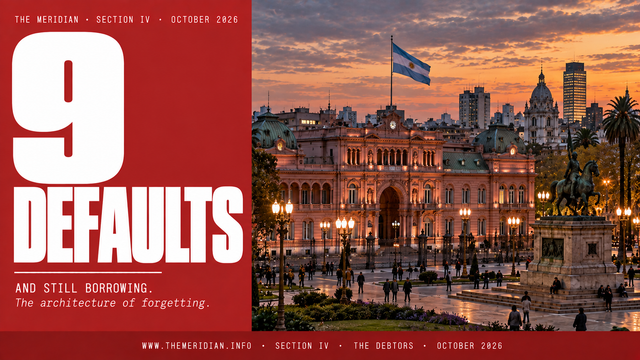
Nine defaults since 1827. The 2001 collapse was the largest sovereign default in history at the time. Milei achieved a fiscal surplus and cut inflation from 211%. Creditors forgot and lent again. The architecture of the cycle, what produces it, and why both sides of it keep showing up.
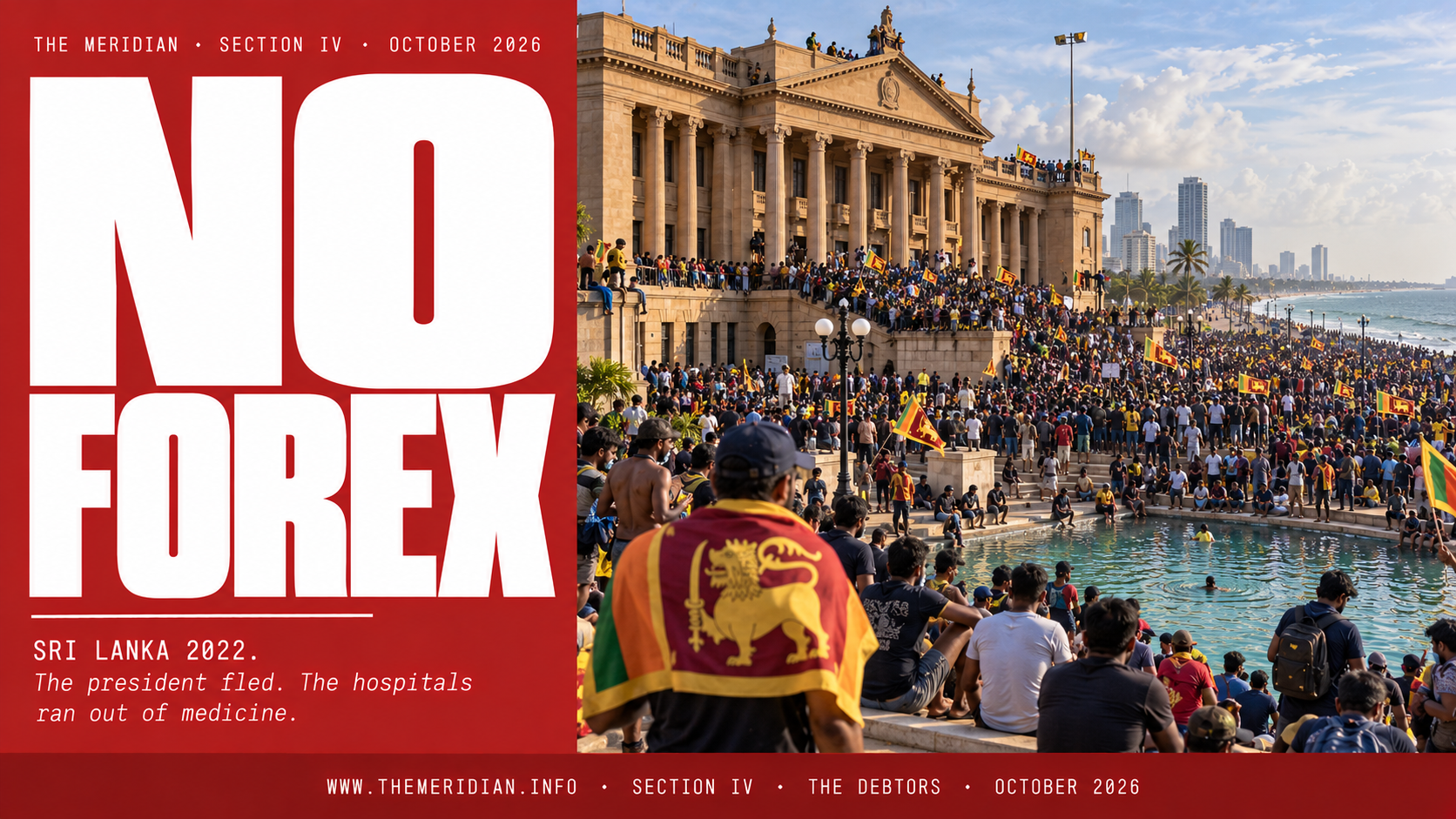
April 2022. Usable reserves below $50 million -- less than a single day of fuel imports. Petrol queues for miles. Hospitals out of medicine. The president fled. The three triggers that activated simultaneously, the $12 billion in commercial bonds, and what it means for every small open economy carrying external debt.
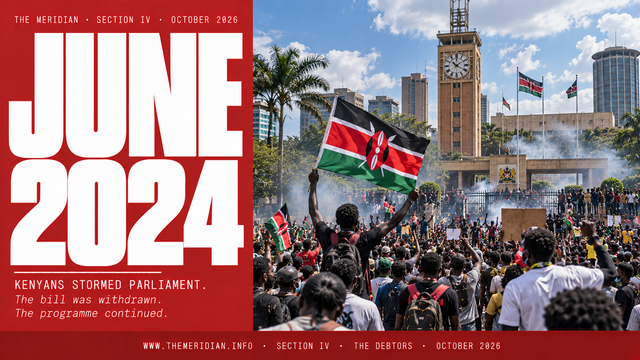
June 2024. An IMF-backed Finance Bill taxed bread, cooking oil, sanitary products. Parliament stormed. At least 39 killed. Ruto withdrew the bill on television. The IMF programme continued. The debt remained. 37% of revenues go to debt service before a shilling reaches a school. The live case where imposed austerity meets democratic resistance.
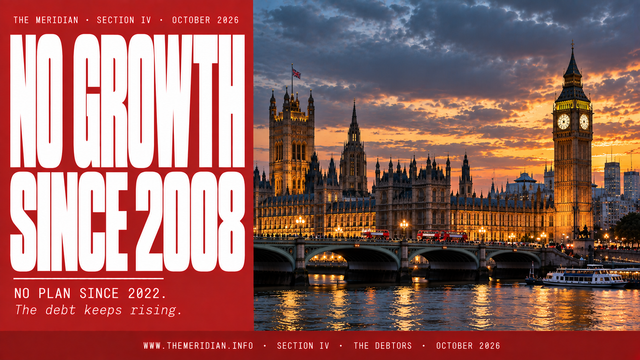
Productivity flat since 2008. The gilt market panicked in September 2022 and required £65 billion in emergency Bank of England purchases. Annual borrowing and annual interest payments both approximately £100 billion. The structural conditions that no government has confronted and the deferred reckoning that compounds each year.
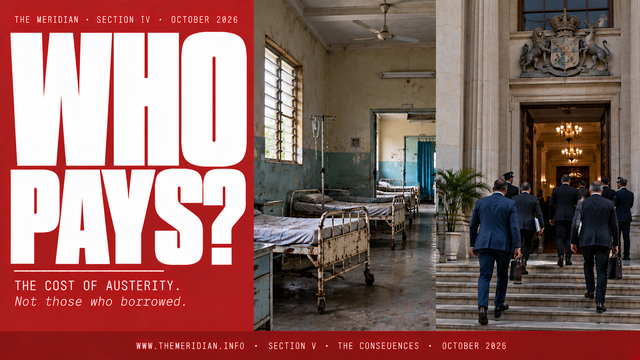
Greece: pensions cut 40-50%. Pakistan: 1.2% of GDP on health. Ghana: workers' pension funds restructured as IMF condition. The IMF's own researchers wrote in 2016 that austerity increases inequality. The programme conditions continued unchanged. The cost falls on the same people every time.
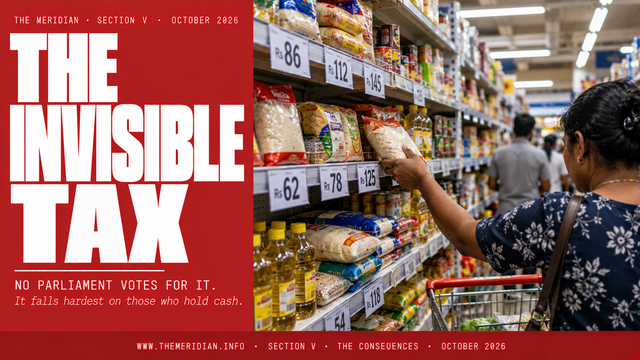
No parliament votes for it. Inflation reduces the real value of sovereign debt while destroying the real value of wages and savings. UK real wages fell 3-4% in 2022. Zimbabwe hit 79.6 billion percent. The Global South's inflation experience is categorically different. The political economy of who monetary policy actually serves.
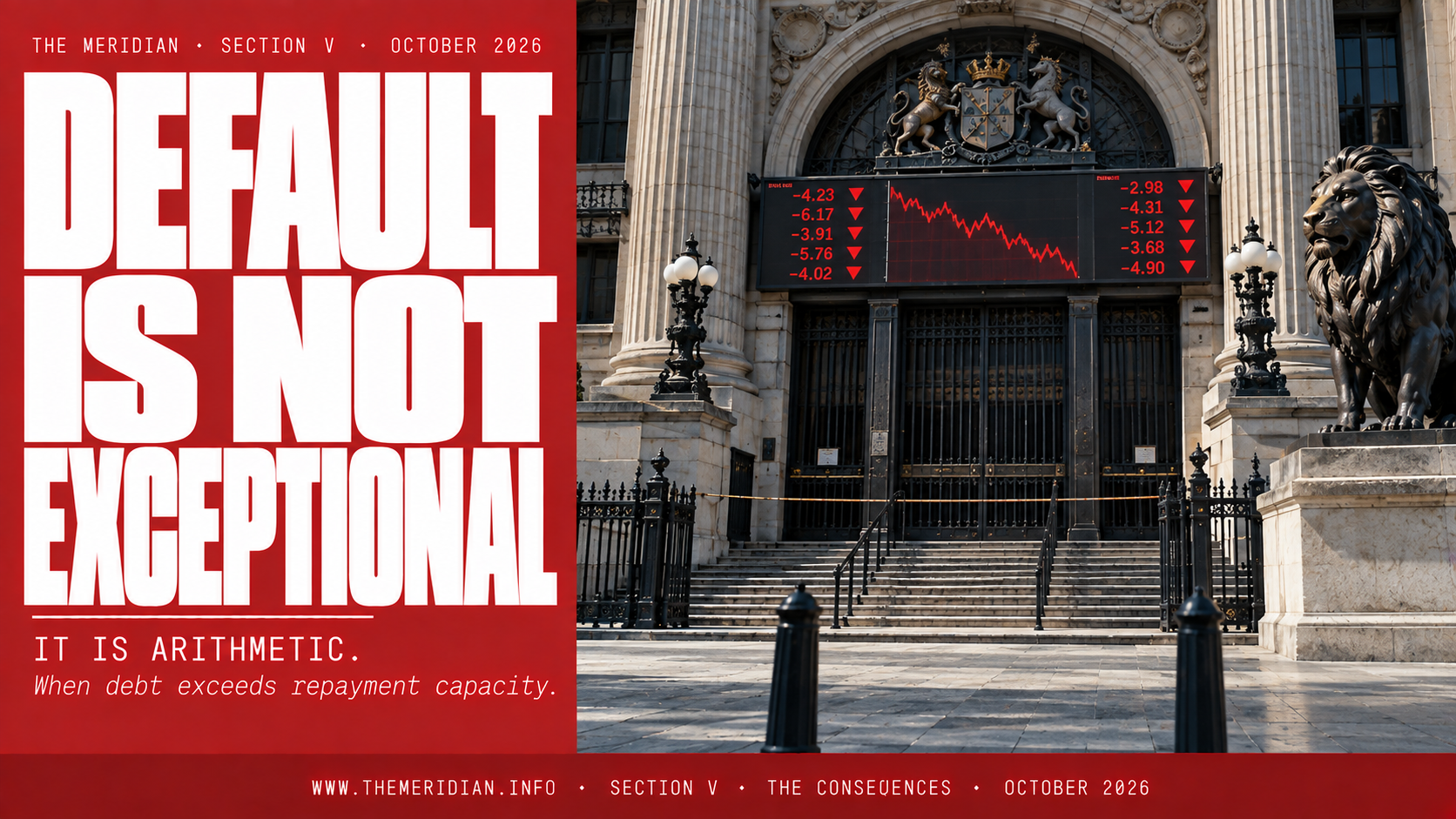
Default is not chosen. It is reached. Argentina: nine times. Zambia: 3 years to restructure under the G20 Common Framework. NML Capital bought Argentine bonds at 20 cents and extracted face value. The holdout problem, the G20 framework gap, and why naming default early often costs less than the austerity applied to avoid it.
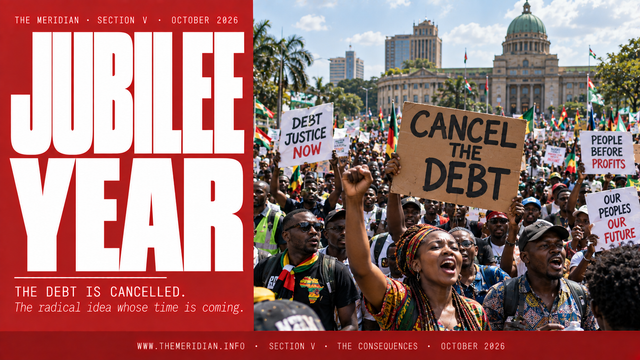
Leviticus 25: every 50 years, debts are cancelled. HIPC cancelled $130 billion from 40 countries with structural adjustment as the price. Many re-accumulated the debt within two decades. The architecture was not cancelled. Only the debt was. The arithmetic case for jubilee in 2026 -- and why the structure must go with it.
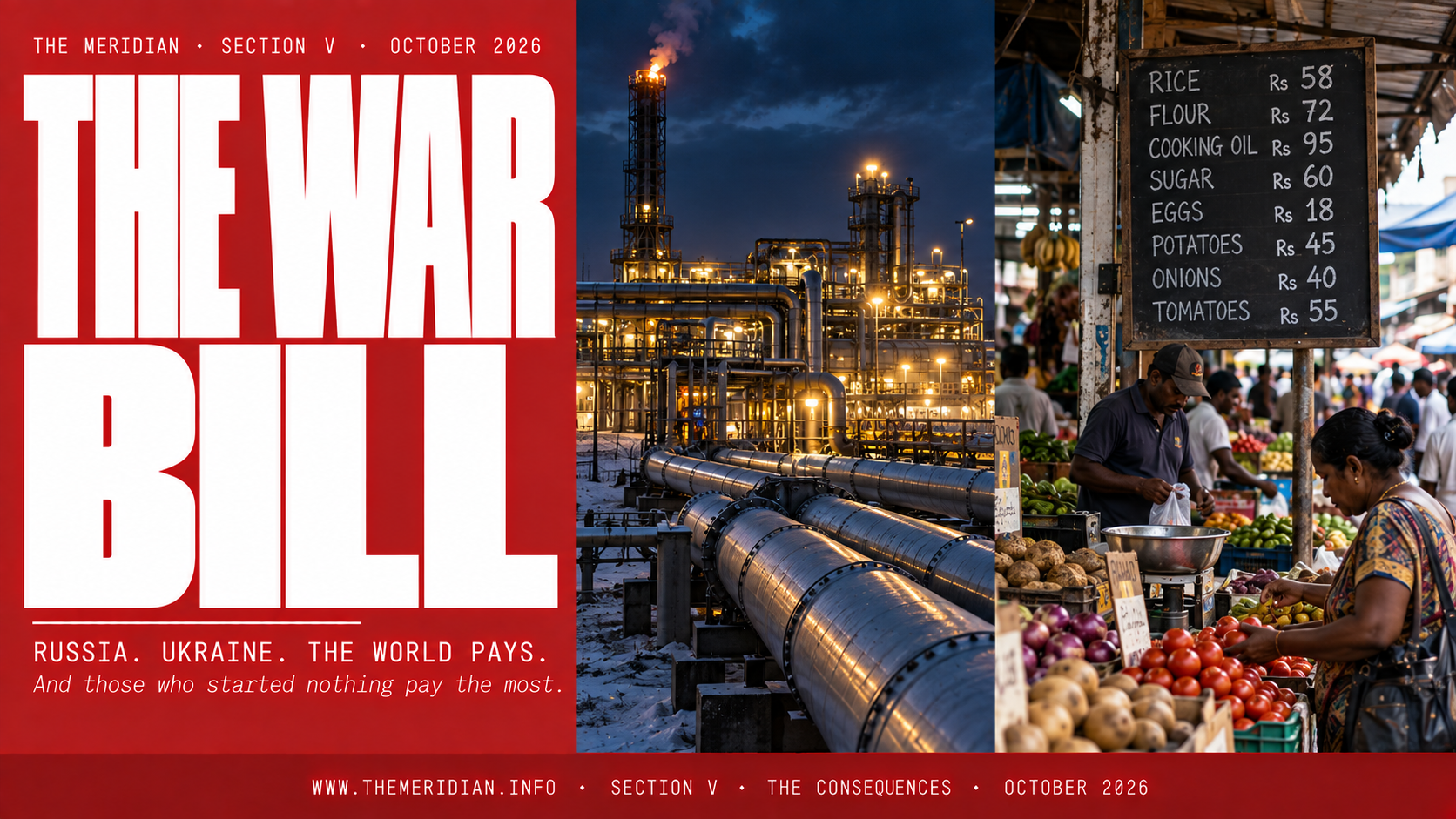
European gas prices hit 340 EUR/MWh. The FAO Food Price Index hit its highest level on record. Russia and Ukraine: 30% of global wheat, 65% of sunflower oil. The Global South's additional food import bill: $100-120 billion. Countries that started nothing paid the most. The war's full fiscal legacy.

Six structural crises are arriving simultaneously and each makes the others worse. No government has a credible plan for all six at once. This essay names the trap and the only exit that survives arithmetic scrutiny.
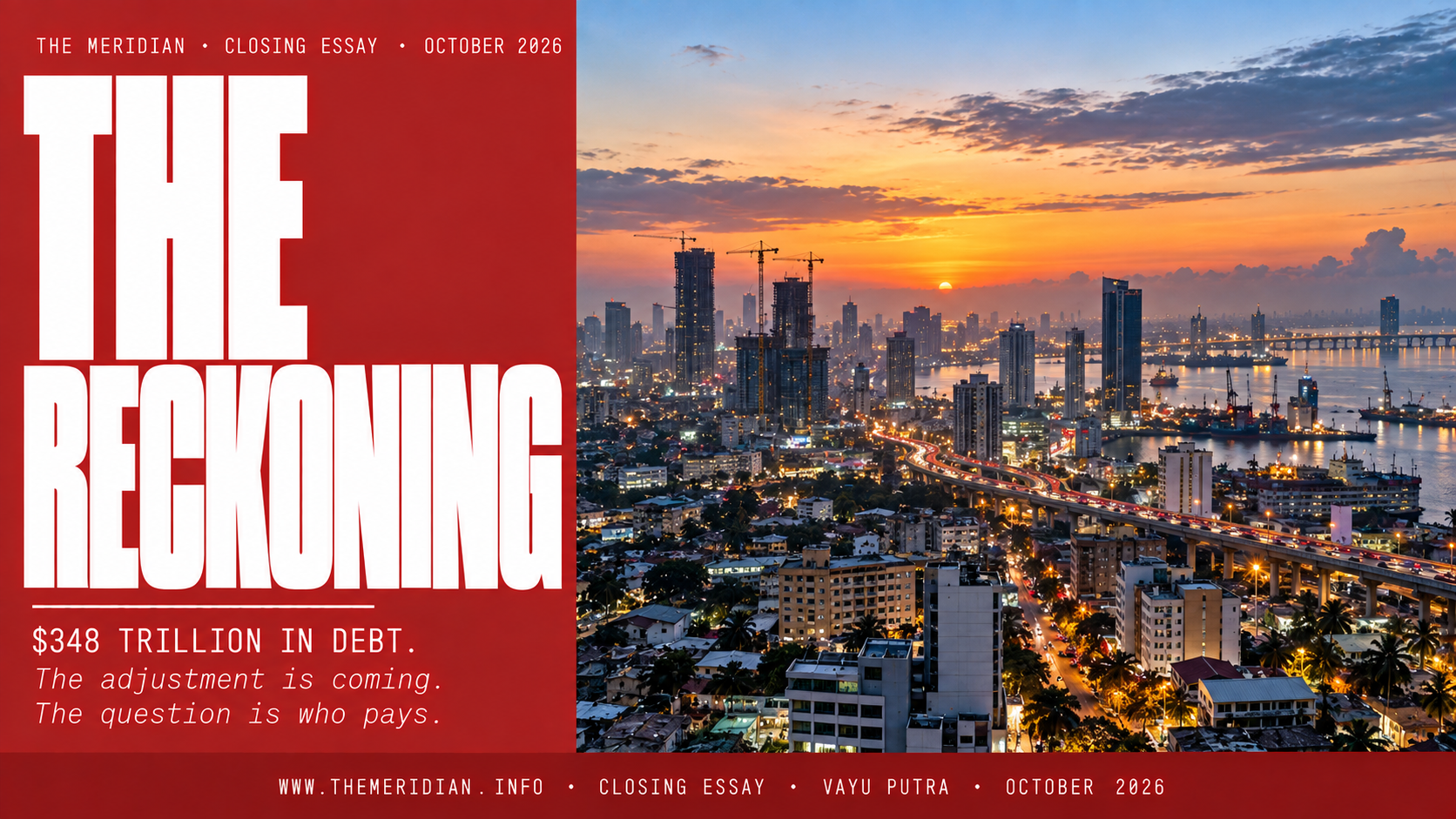
$348 trillion. The architecture that produced it. The asymmetry that governs it. Six propositions for what must change. The nurse in Pakistan. The pensioner in Ghana. The student in Kenya. The patient in Greece. None of them designed the architecture. All of them are paying for it. The reckoning does not arrive all at once. But it arrives.